



Matsuo Basho is one of the most influential figures in Japanese literature. He is best known for elevating haiku from a playful poetic form into a serious, spiritually resonant art. Through his deep philosophical insight, innovative style, and reverence for nature, Basho helped shape haiku into a genre that continues to inspire poets and readers around the world.
Though he lived in 17th-century Japan, Basho’s work resonates across cultures and centuries. His haiku distills universal experiences. Solitude, change, beauty, longing into just a few carefully chosen words. Each poem becomes a moment of stillness, clarity, and emotional depth, inviting reflection and heightened awareness of the present.
A Poet of Innovation and Insight
Basho was more than a master of form, he was a literary innovator. While deeply respectful of tradition, he rejected imitation for its own sake. His famous advice, “Don’t follow in the footsteps of the ancients; seek what they sought,” reflects his belief in creative renewal. Basho used haiku to explore unconventional subjects like frogs, fleas, and even urinating horses, breaking with formal poetic expectations of the time. This playful yet profound spirit marks him as both a reformer and a visionary.
His genius lies not just in depicting Japanese landscapes but in expressing shared human emotions through them. Basho’s poems speak to anyone who has watched a leaf fall, felt the quiet of dusk, or sensed the bittersweet beauty of a passing season. That universality is key to haiku’s enduring global appeal.
Matsuo Basho and His Aesthetic Philosophy
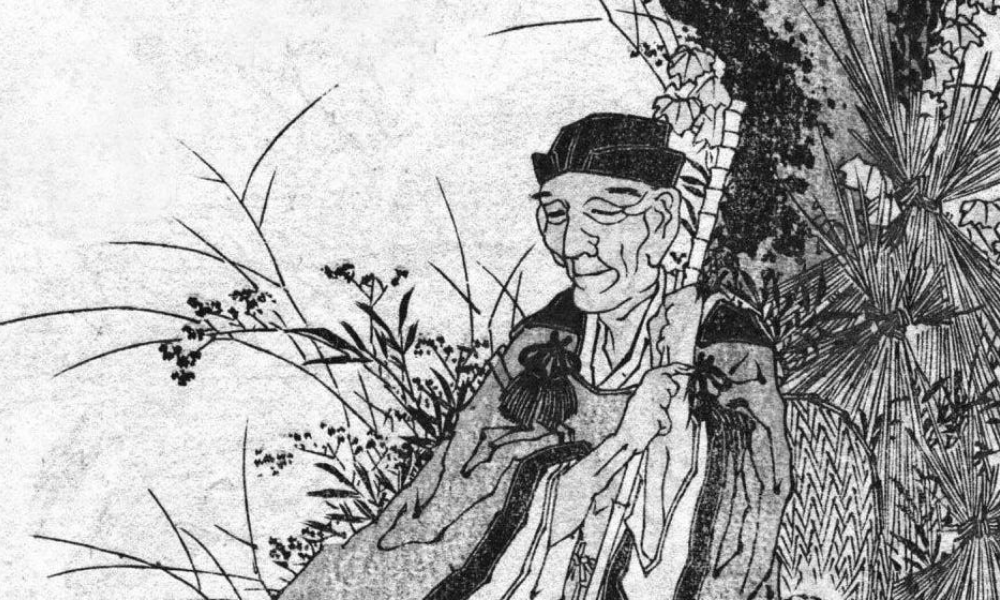
Basho’s haiku are rooted in Japanese aesthetics influenced by Zen Buddhism. Three core concepts shaped his poetic worldview:
- Wabi-Sabi: Embracing Imperfection
- Wabi-sabi celebrates simplicity, imperfection, and the natural passage of time. Basho embraced this by depicting worn, weathered, and fleeting elements in nature—aging trees, falling leaves, lonely paths. He saw beauty not in perfection but in quiet resilience and subtle melancholy.
- Mono no Aware: The Pathos of Things
- Mono no aware is the deep emotional awareness of impermanence. Rather than resist change, it encourages one to appreciate the fleeting beauty of each moment. Basho’s poems often capture the poignancy of what’s passing, blossoms falling, summer grasses fading, voices echoing and disappearing.
- Zen Simplicity and Presence
- Zen teachings emphasize mindfulness and direct experience. Basho distilled complex emotions into brief images that reflect the present moment. His later style, known as karumi (lightness), emphasized subtlety, detachment, and the profound within the ordinary.
Together, these principles encouraged a quiet, contemplative relationship with life, an appreciation for what is, rather than a yearning for what was or might be.
Key Lessons from Matsuo Basho and His Creative Practice
Basho’s approach to haiku offers timeless insights for both writers and readers and, more broadly, for anyone seeking a more mindful life.
Learn from the Pine
Basho once advised, “Learn about a pine from the pine.” Rather than interpreting or analyzing nature from a distance, he urged poets to become one with what they observe. This practice, tied to the Zen principle of muga (selflessness), requires the writer to dissolve their ego and immerse themselves in the world. It’s a lesson in empathy and mindfulness, encouraging deep, direct observation.
Seek Renewal through Tradition
Basho did not abandon tradition—he engaged with it creatively. Through atarashimi (newness), he reimagined classical themes in fresh, relevant ways. He used honkadori (allusive variation) to echo classical texts while giving them new life. This approach reminds us that true innovation often grows from understanding the past deeply enough to transform it.
Leave Open Space
Basho often left gaps in his poems, inviting the reader to participate in meaning-making. His sparse style avoids over-explanation. This technique encourages emotional engagement and personal reflection, making the poem feel alive and intimate.
Embrace Lightness
Basho’s later poems reflect karumi, or lightness—a tone of simplicity and ease that conceals emotional depth. Instead of dramatizing experience, he presented it plainly. This “effortless profundity” teaches the value of restraint, showing that powerful ideas can emerge from the quietest observations.
Iconic Haiku’s of Matsuo Basho: Brief Moments, Lasting Resonance

Basho’s most famous haiku illustrate the full range of his philosophical and poetic vision.
“The Old Pond”
古池や蛙飛びこむ水の音
An old pond— / a frog jumps in, / the sound of water.
This iconic poem juxtaposes timeless stillness with a fleeting sound. It embodies Zen awareness and wabi-sabi, suggesting that beauty lies in momentary disruptions that return us to stillness. The frog’s splash isn’t just a sound—it’s an awakening.
“Summer Grasses”
夏草や兵どもが夢の跡
Summer grasses— / all that remains / of warriors’ dreams.
Written at a battlefield site, this haiku reflects mono no aware. The grasses, once trampled by warriors, now quietly reclaim the land. The poem speaks to the transience of ambition and the quiet passage of time that erases even great deeds.
“The Cicada’s Cry”
閑さや岩にしみ入る蝉の声
In the stillness— / sinking into the rocks, / the cicadas’ cry.
Composed at a mountain temple, this haiku captures the paradox of sound deepening silence. The cicada’s call becomes part of the stillness itself. It reflects the Zen idea that dualities—sound and silence, presence and absence—can coexist.
“Sick on a Journey”
旅に病んで夢は枯野をかけ廻る
Sick on a journey— / my dreams roam / the withered fields.
Basho’s final haiku, written as he lay dying, turns travel into a metaphor for life. The withered fields reflect mortality, while his wandering dreams suggest the soul’s continued journey. It’s a poignant embrace of anicca (impermanence) and the spiritual continuity beyond physical limits.
Matsuo Basho Today
In an age of distraction and digital overload, Basho’s minimalist poetry offers a return to presence. His focus on sensory detail, stillness, and the beauty of fleeting moments aligns closely with modern mindfulness practices. Haiku becomes not just art, but a meditative tool.
His acceptance of change and imperfection challenges perfectionism and the pursuit of permanence. Basho teaches us that fragility, aging, and loss are not flaws—they are sources of beauty and wisdom.
His poetic style is precise, concise, and emotionally rich. It offers valuable lessons for modern communication. In a world often dominated by noise, Basho reminds us of the power of simplicity.
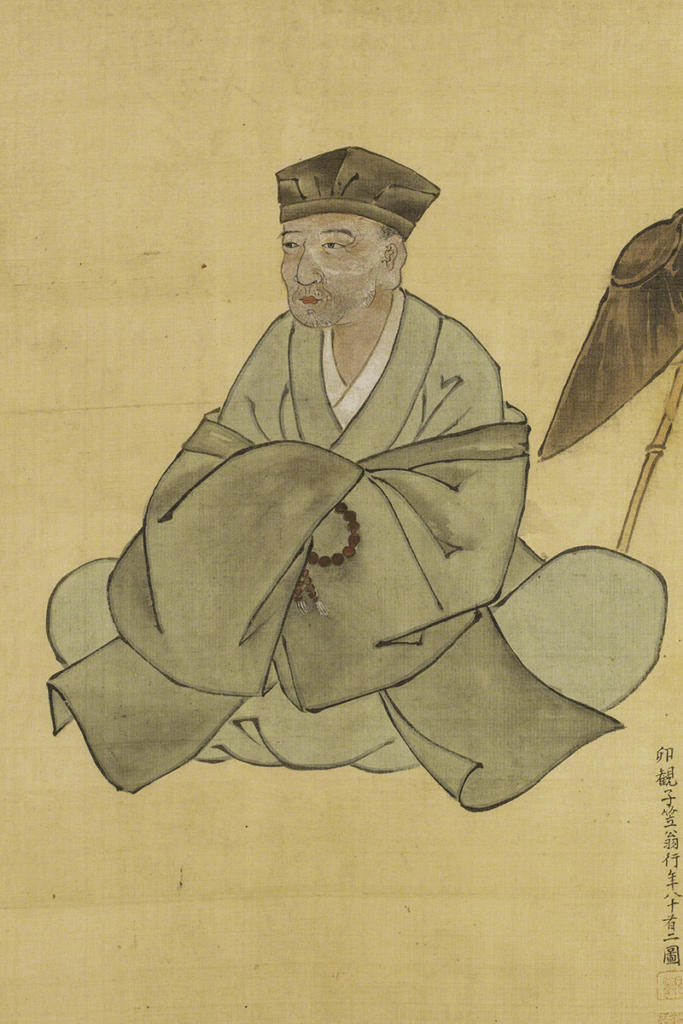
Matsuo Basho and His Lasting Legacy
Basho’s legacy extends far beyond his haiku. He invites us to observe more deeply, live more mindfully, and express ourselves with authenticity and clarity. His blend of aesthetic subtlety and philosophical depth makes his work a timeless guide—not only for poets but for anyone seeking a richer engagement with life.
Through his poems, Basho offers more than beauty, he offers presence, perspective, and peace.
1 Review
Thanks!


- Shin Kawamoto

- Shin Kawamoto
- Shin Kawamoto

- Shin Kawamoto