


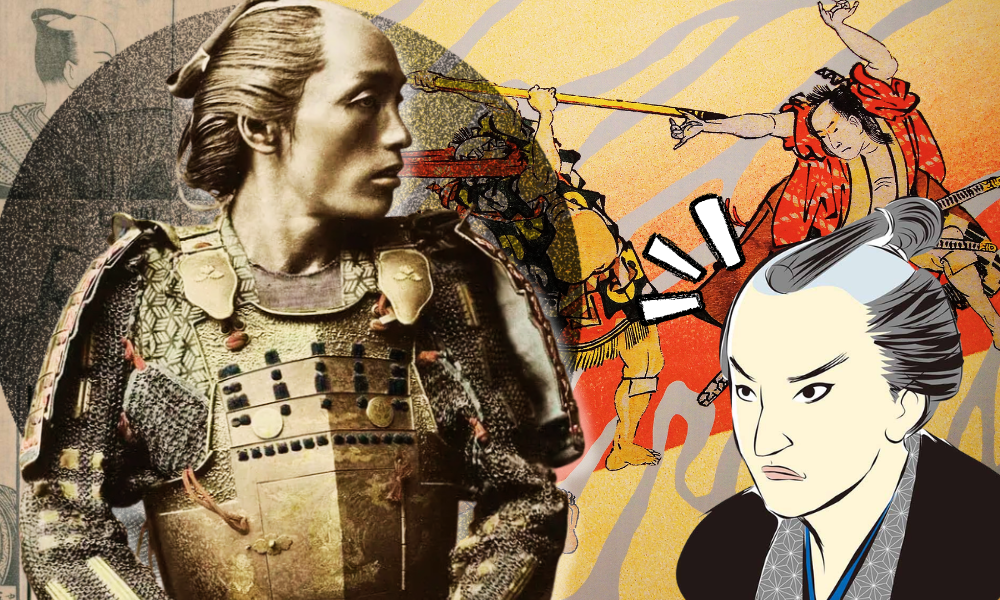
The rise of the chonmage is one of the most fascinating changes in Japanese cultural history. It began as a simple and practical hairstyle. Over time, it became a strong symbol of status and identity. Many people today still wonder how this traditional Japanese hairstyle shaped Japanese society.
What Is the Chonmage?
Understanding the rise of the chonmage helps explain how a practical hairstyle became a lasting symbol of samurai life. The chonmage (丁 髷) is the most recognized type of samurai topknot. It later became a clear marker of the samurai classes during the Edo period (1603). Samurai tied the remaining hair into a knot on the top of the head and shaved the crown for support. This hairstyle became an important part of traditional Japanese identity.
Secret #1: The Chonmage Began in the Heian Period

The earliest form of the chonmage appeared in the Heian period. Men tied their long hair to secure the court cap called the eboshi. This simple knot later became the base of the samurai hairstyle. The early version shows that the chonmage existed long before samurai culture fully developed.
Secret #2: Samurai Used It to Keep Helmets Stable

As warfare grew, the chonmage became a practical tool. The samurai hairstyle kept heavy kabuto helmets from slipping during battle. Shaving the crown of the head reduced heat and made the helmet more comfortable. This explains why warriors removed hair from the center of their head and why this look appears in films like Shogun.
Secret #3: The Edo Government Shaped the Rise of the Chonmage

During the Edo period in 1603, the Tokugawa government made the chonmage the required hairstyle for samurai. It became a sign of order, discipline, and rank. Uniform grooming helped the government maintain the social structure. It also let officials control how samurai and townspeople looked.
Secret #4: The Chonmage Became a Status Symbol
The chonmage soon spread beyond the samurai. Townspeople, merchants, and performers adopted simpler versions to show discipline and good standing. Samurai kept the most polished versions, which strengthened their image and status. This spread shows how powerful the hairstyle became in society.
Secret #5: The Chonmage Marked the Start of Adulthood
The chonmage had strong ties to coming-of-age rites. Boys could not wear a chonmage until they completed their adulthood ceremony. The style carried cultural meaning, and key rituals shaped how people wore and understood it.
Secret #6: Why the Hair Was Shaved in the Center
Shaving the top of the head served a purpose beyond appearance. It kept helmets steady, reduced heat, and showed discipline. This explains why Japanese warriors shaved the middle of their head and why this look appears in historical dramas.
Secret #7: The Meiji Government Abolished the Chonmage
During the Meiji Restoration, the government saw the chonmage as a symbol of the old feudal system. To modernize the country, officials banned it through the Danpatsu-rei. The law explains why the Meiji government banned the chonmage. It also raises questions about whether the style is still illegal today and if the samurai haircut remains popular.
Secret #8: Sumo Wrestlers Keep the Traditional Chonmage Alive

Although banned for most people, the chonmage survived in the world of sumo. Sumo wrestlers are the only group allowed to wear their hair in the chonmage topknot during official matches. The practice shows if people still wear the chonmage today and how sumo wrestling keeps the tradition alive.
Secret #9: The Purpose of the Chonmage Was More Than Style
The chonmage had many roles. It kept helmets steady, marked adulthood, enforced discipline, and showed social rank. These uses explain the purpose of the chonmage and how the hairstyle influenced Japanese society.
Secret #10: The Chonmage Still Appears in Modern Culture
Even though the hairstyle is no longer common, it remains important in modern Japanese culture. Films, dramas, museums, and festivals still use the chonmage to show tradition and bravery. Its long history continues to raise questions about the samurai haircut’s popularity. It also shows how the style fits into modern identity.
The Lasting Legacy of the Chonmage
The chonmage is more than a hairstyle; it reflects Japan’s social, military, and political changes. Its rise from a simple knot to a samurai symbol shows the importance of discipline and identity. Even though the law ended its use, the chonmage still lives on in tradition and culture. Its long history continues to fascinate people today. The rise of the chonmage shows how appearance, power, and tradition shaped Japanese society.
2 Reviews
Если хотите macbook с доставкой минск, заходите на наш сайт! Порой официальные ритейлеры проводят акции: студенческие скидки и сезонные распродажи помогают сэкономить.
Если хотите macbook купить минск с гарантией, заходите на наш сайт! Серия ноутбуков включает модели разного уровня производительности и экранов, что позволяет подобрать устройство под свои задачи.


- Shin Kawamoto

- Shin Kawamoto

- Shin Kawamoto

- Shin Kawamoto