


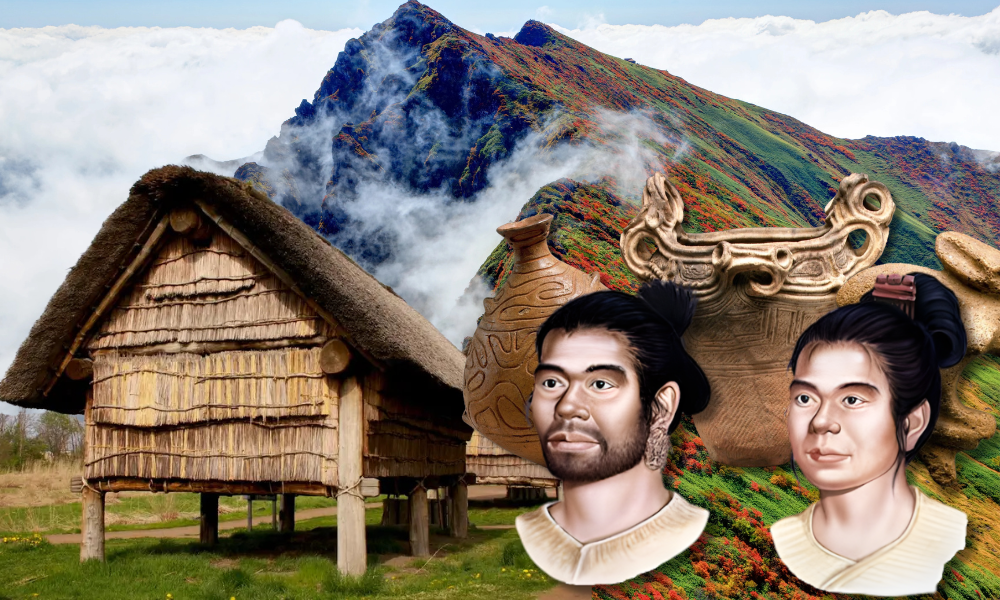
The Japanese rhythm has been shaped by mountains, seasons, and ancient traditions. It lives most strongly in the northern highlands, where early Japanese people learned to survive with nature. As a result, this landscape still protects habits and beliefs formed thousands of years ago. Here, we rediscover how the mountain north helps Japan reconnect with its earliest identity.
The Mountain North and Japan’s Cultural Origins
The northern Kōshin’etsu highlands hold a deep link to early Japanese history. This area preserves important traces of Japan’s earliest past. High elevations, dramatic climate shifts, and breezes shaped by the Sea of Japan influenced the rhythms of everyday life. Because of this, these rugged landscapes, far from later political centers, allowed ancient customs to survive.
Early communities in this region relied on gathering, fishing, and hunting. Over time, these practices created patterns of sedentary life long before rice agriculture spread across the islands. Shifts in sea level after the ice age created new forests, rivers, and fertile plains where early groups settled. The mountain north became a cultural refuge that preserved seasonal traditions and the original Japanese rhythm.
What Is Jomon Culture? Japan’s Earliest Civilization
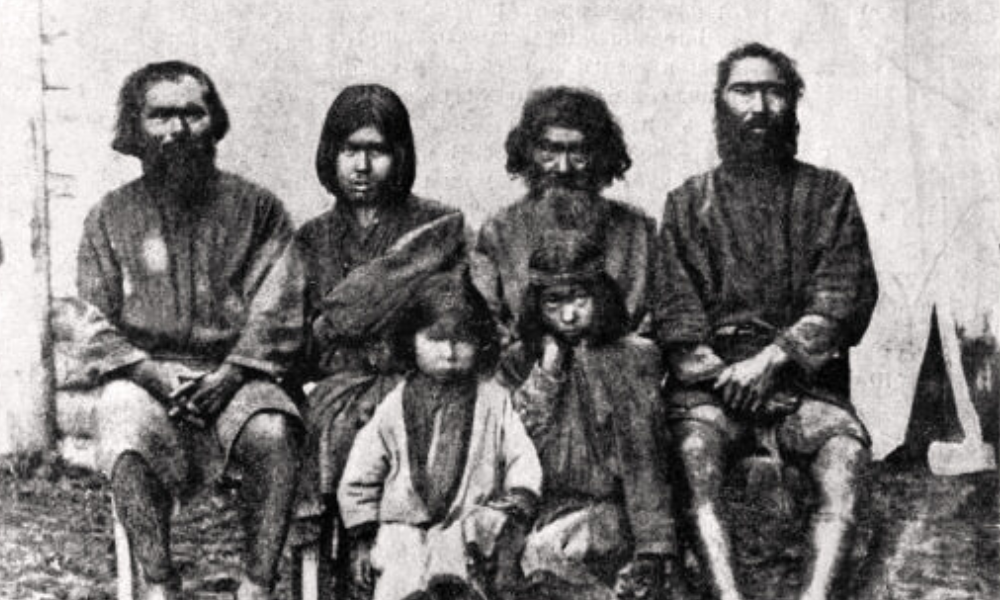
For this reason, many readers ask: what is jomon culture, when was the jomon period, and where did the jomon come from? These questions are essential to understanding Japan’s origins. Accordingly, according to research and sources such as wikipedia the free encyclopedia, the jōmon people lived from the incipient jōmon period around 14,000 BCE to about 300 bce.
After the ice age, early people built semi-permanent settlements with pit houses and shell mounds. This era is a foundational chapter in the Japanese history timeline, influencing key periods of Japanese history. The Yayoi period followed their way of life and introduced agriculture and metal tools. However, the Jomon worldview remained central to ancient Japanese history and helped shape later generations.
Life in the Middle Jomon Period
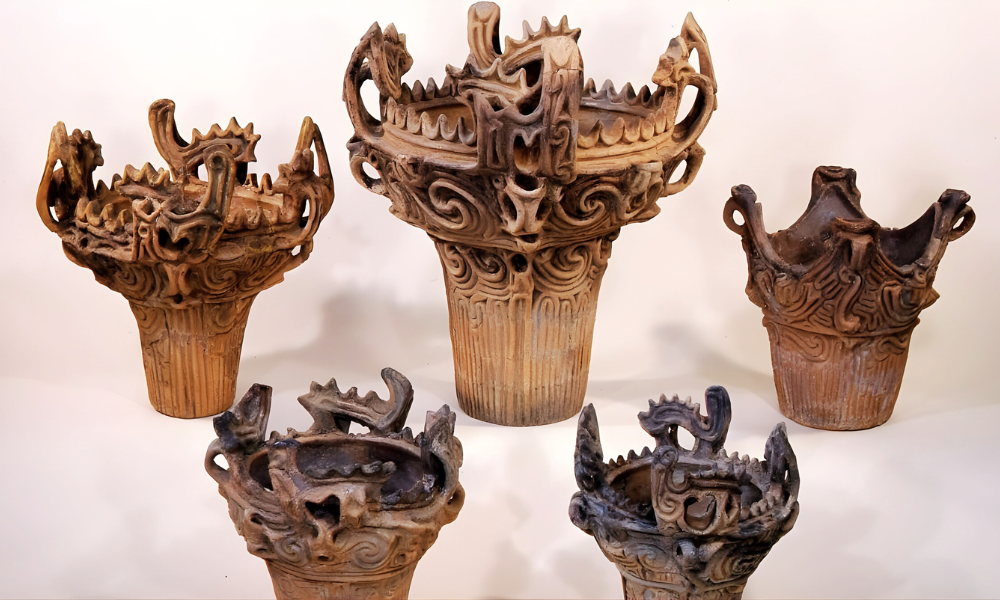
The middle Jomon period (around 2500–1500 BCE) marked a flourishing age of creativity and ritual life. Sites across the Kōshin’etsu region show skilled work in stone tools and lacquerware. In addition, they also reveal the iconic cord-marked pottery that defines the Jomon name. Major collections preserve these artifacts and show the skill of these mountain communities.
At the same time, villages developed efficient systems for storing food, shaping pottery, and coordinating community life according to seasonal cycles. These techniques helped people adapt to the highland climate. As a result, they also strengthened the early Japanese rhythm, which valued balance, patience, and a close connection to nature.
Nature, Belief, and Japan’s Oldest Traditions
In this way, Jomon beliefs formed the foundation of many ideas that later shaped the Japanese identity. A common question—what is Japan’s oldest religion?—can be traced back to the animistic worldview of the Jomon. For example, they believed that spirits lived within mountains, forests, stones, rivers, and fire long before formal Shinto traditions appeared.
This early spiritual relationship influenced rituals, seasonal celebrations, and cooperative living. These beliefs remain a strong part of Japanese history and culture. They appear in rural festivals, mountain shrines, and the ongoing respect for nature seen in many Japanese people today.
Therefore, Why the Mountain North Still Holds Japan’s Lost Rhythm
Modern city environments often hide seasonal transitions behind technology and artificial comfort. The mountain north reveals shifting temperatures and dramatic changes in light. These seasonal patterns help reconnect people to the original Japanese rhythm. These natural cues echo the rhythms that guided ancient communities.
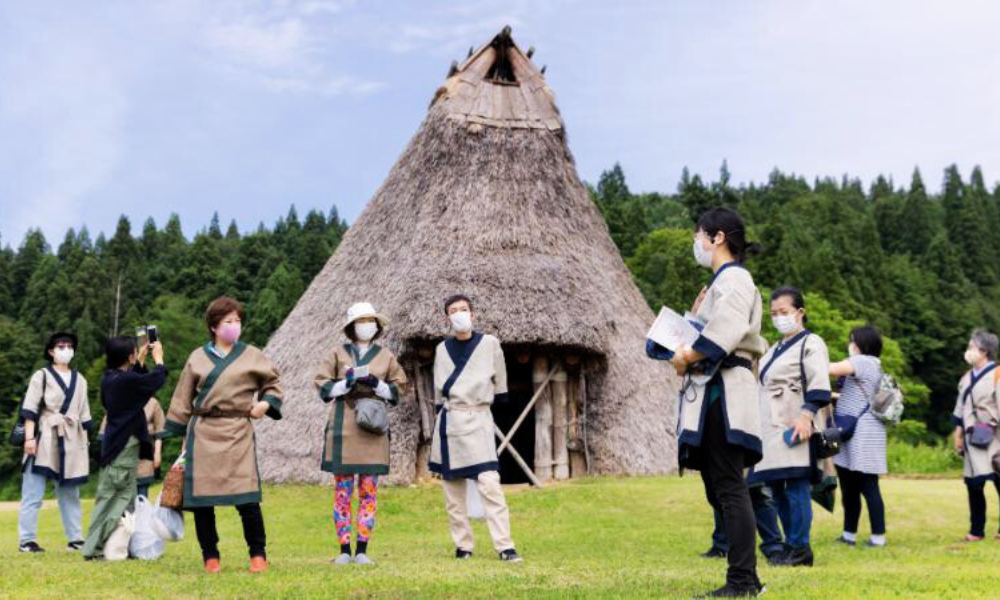
Visitors who explore mountain villages and preserved Jomon sites can directly experience traditions that reflect period Japan. Through pottery techniques, mountain beliefs, and preserved food culture, the ancient world becomes tangible again. Readers can toggle the table of contents to explore early history, cultural identity, and the eras of Japanese history.
Japan’s Oldest Rhythm Lives On in the North
The Kōshin’etsu region and the mountain north remain powerful gateways to Japan’s origins. Here, the legacy of the Jomon civilization lives on in the land, the seasons, and the quiet rhythm of rural life. To rediscover Japan’s earliest heartbeat, one must return to the highlands. This is where Japan’s oldest rhythm continues to guide the nation’s story.
0 Reviews


- Shin Kawamoto

- Shin Kawamoto

- Shin Kawamoto

- Shin Kawamoto