

For many anime fans, The Melancholy of Haruhi Suzumiya is not only remembered for its unusual story, memorable characters, and the mysterious activities of the SOS Brigade. It is also remembered for its very specific sense of place.
I visited Nishinomiya to walk through several locations connected to The Melancholy of Haruhi Suzumiya, including Nishinomiya-Kitaguchi, Koyoen (the famous uphill route often associated with the school commute), and Coffee Shop Dream.
What I found was not a flashy sightseeing route, but something much closer to the atmosphere of the anime itself: ordinary places that begin to feel special once you know the story connected to them.
This guide introduces the main Haruhi pilgrimage spots in Nishinomiya, how to visit them, what the atmosphere is like in person, and a few practical tips to keep in mind before you go.
Read more about the experience of exploring Nishinomiya here.
How to Get There…
Nishinomiya is located in Hyogo Prefecture, between Osaka and Kobe. For travelers staying in Osaka, it is surprisingly easy to visit.
From the Osaka and Umeda area, you can reach Nishinomiya-Kitaguchi in around 15 minutes by train, depending on the route. That makes it very realistic to stay in Osaka and come to Nishinomiya for a half-day or one-day Haruhi pilgrimage.
The charm of this pilgrimage is that Nishinomiya does not feel overly designed for tourists. In some areas, especially around Koyoen and the hillside routes, it feels like you are simply walking through a local neighborhood. That ordinary feeling is exactly what makes it powerful for Haruhi fans.
The anime’s world is not built around fantasy castles or dramatic landscapes. It is built around everyday places where something extraordinary might suddenly happen.
Haruhi Spot #1: Hankyu Nishinomiya-Kitaguchi Station – North Exit (西宮北口駅 北出口)
Exact Location: Nishinomiya-Kitaguchi Station (34.7466° N, 135.3574° E)
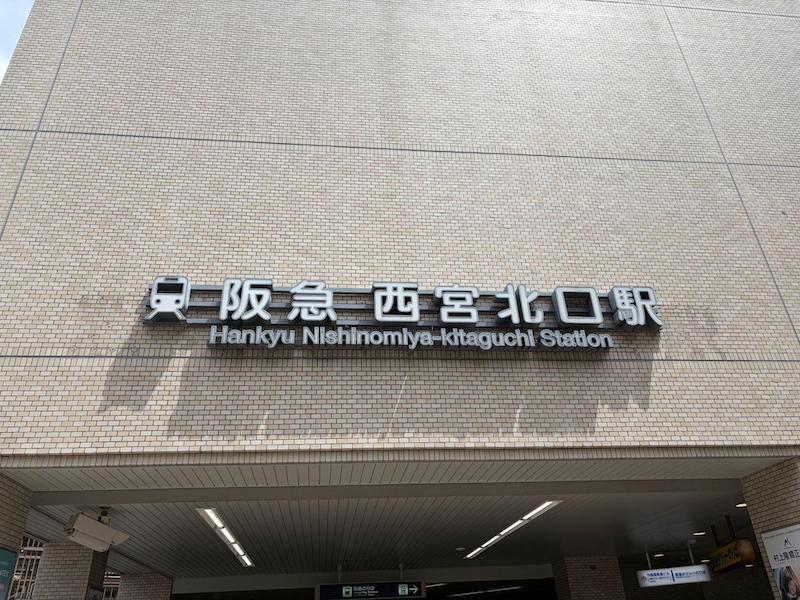
A good starting point for a Haruhi pilgrimage is Hankyu Nishinomiya-Kitaguchi Station. If you are coming from Osaka, this is one of the easiest places to begin. When you arrive, use the North Exit.
One thing that surprised me was how large Nishinomiya-Kitaguchi Station feels. Before visiting, I had imagined a much smaller local station, but once I went up to the ticket gate level, the area felt wide, busy, and more urban than expected. It is an important transfer station, so there are many people passing through, and the station area has shops, cafés, and commercial buildings nearby.
For Haruhi fans, Nishinomiya-Kitaguchi has the feeling of a meeting point: somewhere students might gather, split up, or begin another strange day together. Even if you are not standing in front of a dramatic landmark, the station area gives you a strong sense of the anime’s daily-life atmosphere.
Haruhi Spot #2: Coffee Shop Dream (珈琲屋 ドリーム)
Exact Location: Coffee Shop Dream (34.7471° N, 135.3588° E)
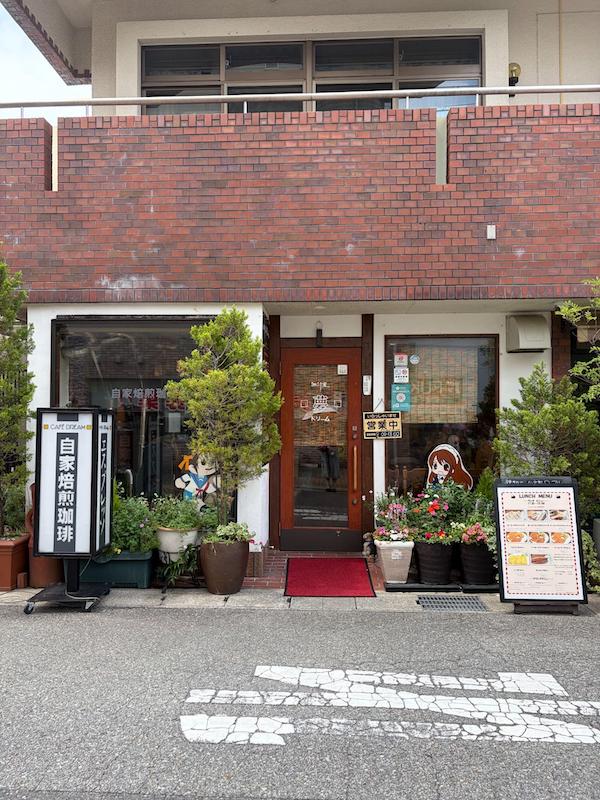
Another important stop around the Nishinomiya-Kitaguchi area is Coffee Shop Dream. For Haruhi fans, this café is one of the most memorable locations connected to the series.
My experience at Dream was very good. The staff were friendly, and when I asked if it was okay to take photos inside the café, they kindly said yes. Of course, it is still important to ask first and avoid disturbing other customers, but the atmosphere felt warm and welcoming.
Inside the café, there are Haruhi-related items, fan messages, and small traces of the series in different corners. It does not feel like an official anime attraction or a place created only for visitors. Instead, it feels like a beloved local coffee shop where Haruhi has quietly become part of the scenery.
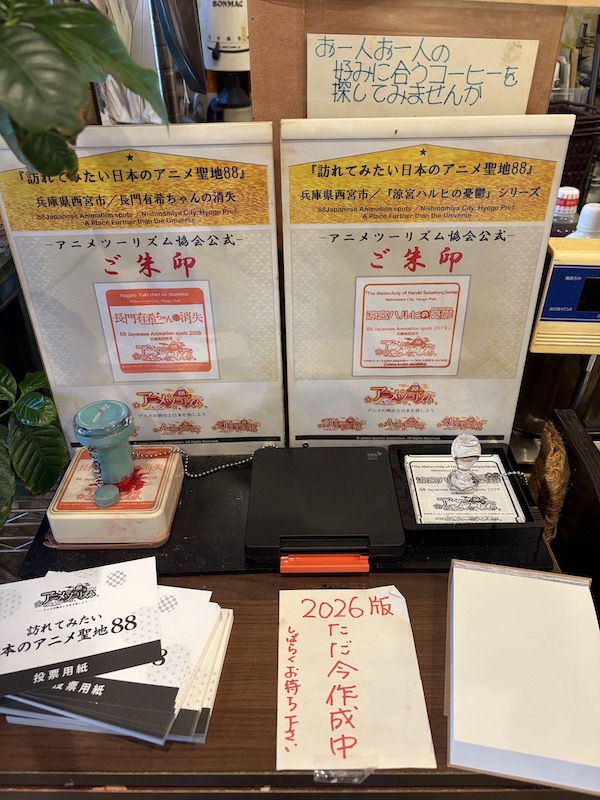
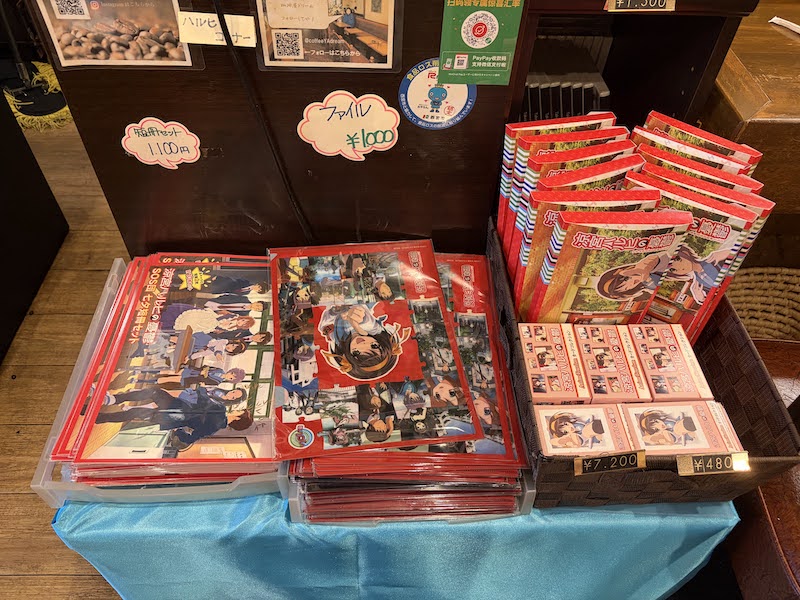
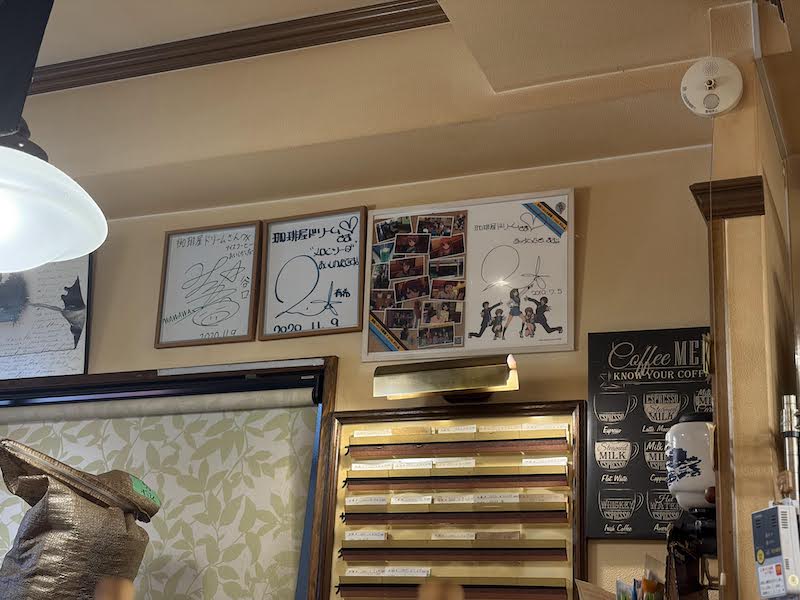


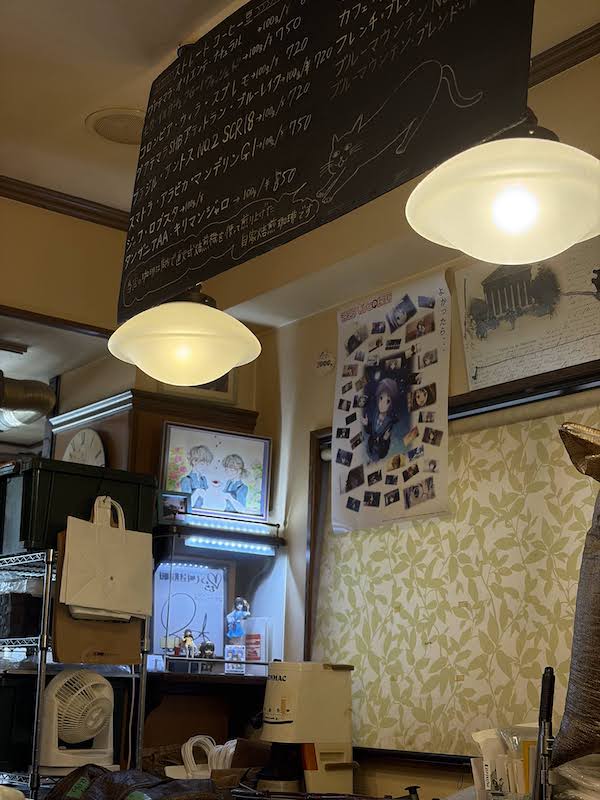
I visited on a weekday evening, and the café was still fairly lively. Interestingly, when I was there, it did not seem like most of the customers were Haruhi fans. Many people appeared to be local regulars simply enjoying the café as part of their daily lives. That made the place feel even more special to me. Dream is not only a pilgrimage spot. It is also a real neighborhood café loved by people in the area, with Haruhi gently woven into its identity.
If you are planning your route, I recommend visiting Dream after the Koyoen section. After walking around Koyoen and climbing the steep hillside, the melon soda at Dream felt especially refreshing. It was exactly the kind of sweet, cold drink I wanted after the long walk.
Haruhi Spot #3: Koyoen Station & School Commute (甲陽園駅)
Exact Location: Hankyu Koyoen Station (34.7601° N, 135.3312° E)
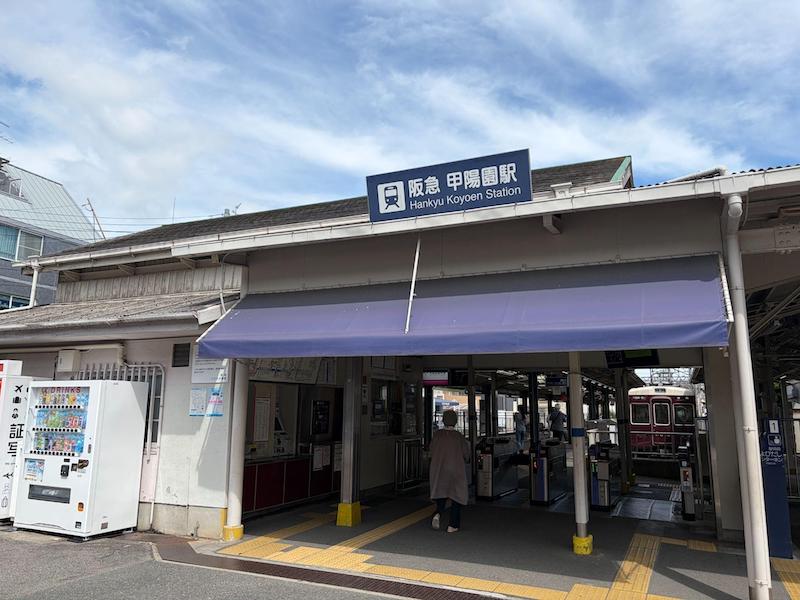
After exploring the Nishinomiya-Kitaguchi area, the next major part of the pilgrimage is Koyoen. This is where the atmosphere changes a lot.
Koyoen is not a typical tourist area. It does not feel like a place built for visitors. It is a quiet residential area at the foot of the mountains, and the streets quickly become steep as you move uphill. If Nishinomiya-Kitaguchi feels like a busy station area, Koyoen feels much more local, calm, and private.
This is also where you begin to understand the famous “school commute” feeling from Haruhi. On screen, the uphill route is memorable because it looks exhausting but also strangely beautiful. In person, it is even more intense. The slope is not just a gentle hill. It feels much closer to a mountain road in some parts.
⭐️ Planning Tip!
If you arrive at Koyoen Station, you will find a FamilyMart and a Hankyu Oasis nearby. If you need drinks, snacks, or something light to eat, this is the time to buy them. Once you start going uphill, there are almost no shops or convenience stores. The area becomes very residential very quickly, and if you run out of water or need food later, you may be stuck.
Before heading toward the hillside, make sure you have enough water, especially in summer. If you are visiting as part of a longer Kansai trip and carrying a camera or backpack, it is also a good idea to keep your luggage light. The uphill area is beautiful, but it is not the kind of place where you want to be unprepared.
Haruhi Spot #4: Haruhi Hill – The School Commute Route (県立北高校周辺 / 柏堂町)
Exact Location: Haruhi Hill / Kayandocho area (34.7642° N, 135.3167° E)
If you want to visit the famous uphill area, I recommend using a bus for the way up. The stop to aim for is Kayandocho, written in Japanese as 柏堂町. It is a bus stop, not a train station, so do not look for a railway station with that name.
Travel Tip: 💡
If you are unfamiliar with the Japanese language, you can politely say to the driver that you would like to go to Kayandocho and then show them the Kanji: 柏堂町.
They will then be able to alert you when the bus has reached that stop for you to disembark.
After getting off the bus, you still need to walk uphill for about 10 minutes to reach the main area. Even this final part can be tiring, because the road continues upward. However, this shorter uphill walk is much more manageable than climbing all the way from Koyoen Station.
As you walk higher, the view begins to open up. Around the middle of the climb, you can start to feel that you are looking down over the city from the mountainside. On a clear day, the scenery is beautiful. You see Nishinomiya spreading out below you, with the residential streets, roads, and cityscape gradually dropping away.
This area also feels like a high-end residential neighborhood. The houses are large, the streets are quiet, and the atmosphere is very calm. Because of that, visitors should be especially respectful here. Avoid loud conversations, do not block roads, and be careful when taking photos. This is not a tourist attraction in the normal sense. It is a real neighborhood where people live.
The area known by fans as Haruhi Hill is one of the most iconic parts of the pilgrimage. It is closely associated with the uphill commute and the school route atmosphere from the series. In person, the slope is impressive. It is steep enough that you immediately understand why the route is so memorable. The road feels physically demanding, and that makes the anime scenes feel more real.
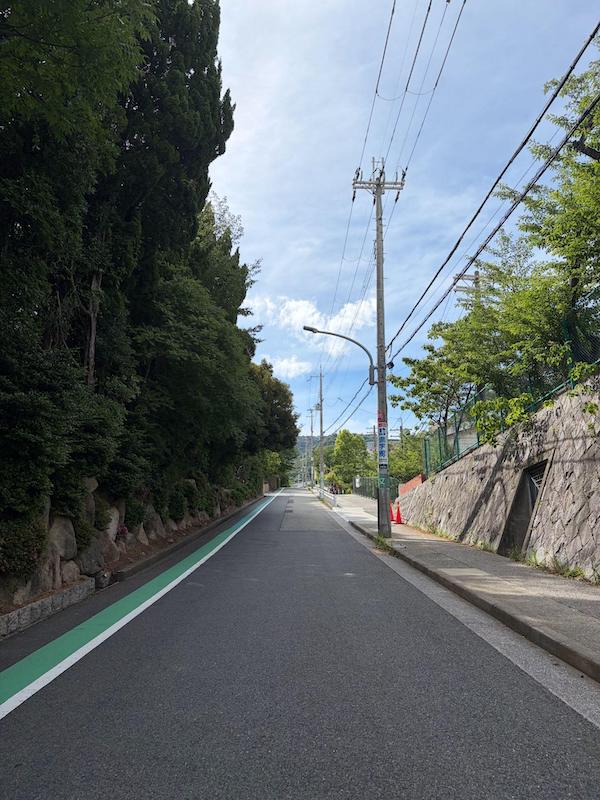
Around the Koyoen area, you can also find smaller spots connected to Kyon’s school commute, including the staircase often associated with his route. It is not a large landmark, but it adds another nice detail to the pilgrimage if you are already exploring the hillside area.
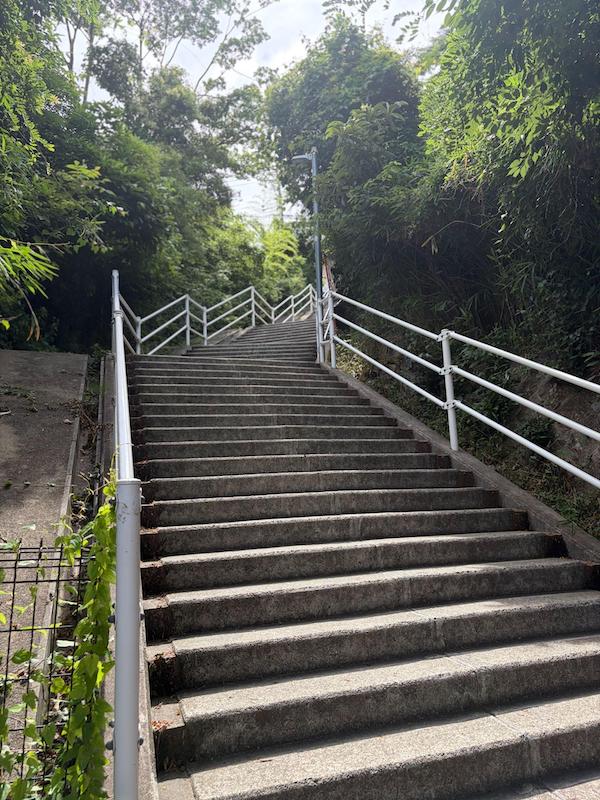
At the same time, the view from the hillside is beautiful. The higher you go, the more the city opens up below you. This contrast is what makes the place interesting: the climb is difficult, but the scenery gives you a reward.
Still, this is also the part of the route where manners matter most. Since the area includes schools (including Nishinomiya Karakuen, the model for the school in Haruhi) and residential streets, you should not enter school grounds, photograph students, or point your camera into private homes. Take your photos from public roads, stay quiet, and keep moving if other people need to pass.
Walking Down to Koyoen Station
After seeing Haruhi Hill, I recommend walking down toward Koyoen Station rather than taking a bus back immediately. The climb upward is difficult, but the downhill walk is much more enjoyable.
From the Haruhi Hill area to Koyoen Station, the walk takes around 20 minutes. Because it is mostly downhill, it is much easier than going up. The road has sidewalks in many parts, so even though there are cars, it feels manageable if you stay alert and walk carefully.
One of the small surprises of this route was the sound of water. On the way down, you cross several small bridges, and below them there are narrow streams. The rivers are not large, but the sound of flowing water adds a peaceful feeling to the walk. After the steep hill and the quiet residential streets above, this downhill route feels like a gentle way to return to the station.
Recommended Nishinomiya Itinerary and Pilgrimage Route
If you are staying in Osaka and want to visit Nishinomiya for a Haruhi pilgrimage, a half-day route is very possible.
If you have more time, you can add other Nishinomiya locations connected to the series, such as Hirota Shrine, Shin-ike Pond, the railway crossing near Nishinomiya-Kitaguchi, and Nishinomiya City Central Library. These spots are not as physically demanding as the Koyoen hillside route, so they can be a good addition if you want to explore more of Haruhi’s everyday Nishinomiya atmosphere.
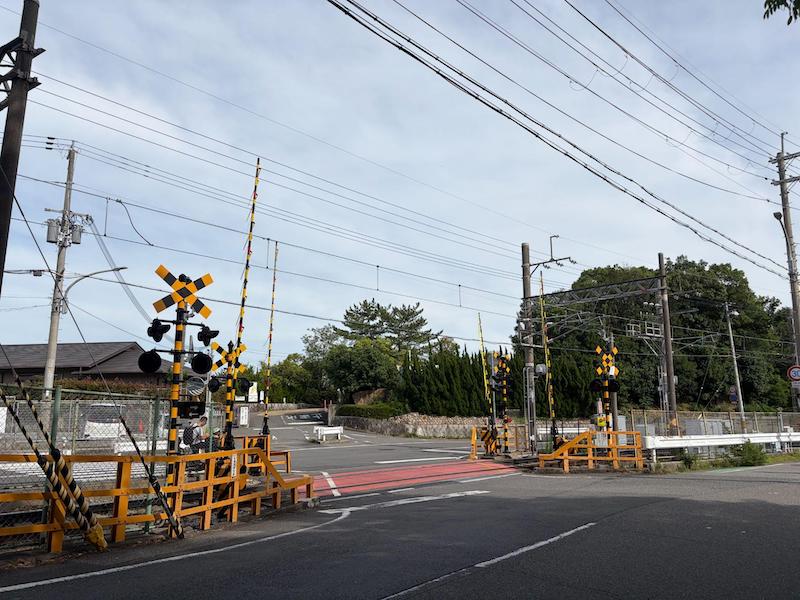
You can also stop by Junkudo Bookstore at Acta Nishinomiya if you want an indoor break near Nishinomiya-Kitaguchi. The bookstore is located on the 4th floor of Acta Nishinomiya West Building, and there is also a rest area on the 3rd floor.
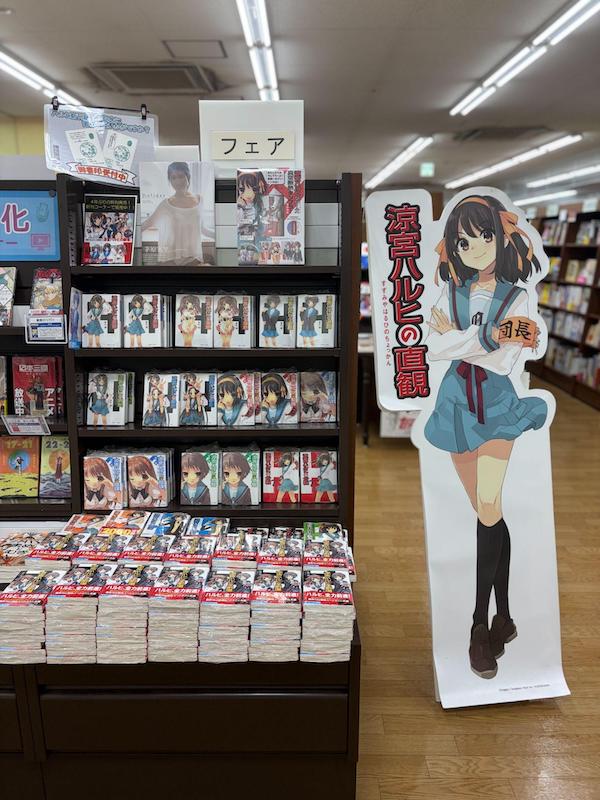
Even with just Nishinomiya-Kitaguchi, Coffee Shop Dream, Koyoen, and Haruhi Hill, you can have a very satisfying pilgrimage.
Tips Before You Go
Be Prepared
Before you go, wear comfortable shoes, bring water, and consider taking the bus uphill from Koyoen. Many of the locations are real residential streets, schools, and businesses, so keep your voice down, do not enter private property, and ask before taking photos inside shops.
Pick a Season
If you can choose the season, spring is one of the best times to visit, especially around mid-April, when the cherry blossoms can make the Haruhi Hill area especially beautiful. Summer can be very hot, and the uphill walk can feel much harder than it looks, so the season can make a big difference to your experience.
Plan Around School Times
Because the hillside area is close to a real school, it is also better to avoid busy school commute times. Try not to visit during the morning arrival period, around 7:30 a.m. to 9:00 a.m., or after school from around 3:00 p.m. onward. This makes the visit safer and more comfortable for both visitors and local students.
Check Coffee Shop Dream Opening Times
If you plan to finish your route at Coffee Shop Dream, check the opening days and hours before deciding your schedule. Dream has regular closing days, and last order is at 5:00 p.m., so do not leave your café stop too late if you want to rest there after the Koyoen route. Haruhi’s locations are not always obvious at first glance, so give yourself time to enjoy the ordinary atmosphere of the area.
Final Thoughts
A Haruhi pilgrimage in Nishinomiya is different from many anime pilgrimages in Japan. It is not about famous landmarks or dramatic tourist sights, but about walking through ordinary places that gradually start to feel familiar. Nishinomiya-Kitaguchi, Coffee Shop Dream, Koyoen, and Haruhi Hill all show how closely the world of Haruhi is connected to everyday life. Since Nishinomiya is only a short trip from Osaka, it is an easy and rewarding pilgrimage for fans visiting Kansai.

Nao is an Osaka based writer with a love for travel and anime. She loves exploring the Kansai region and hopes to inspire readers to visit Japan for their own pilgrimage experiences.
