
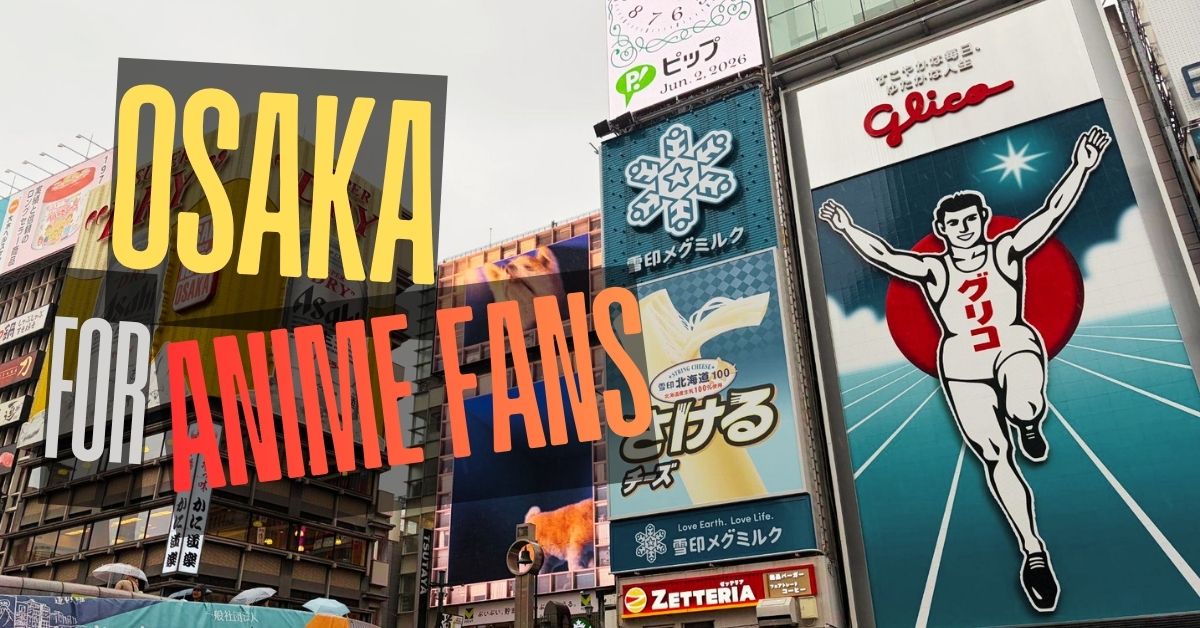
When people think of anime travel in Japan, Tokyo is usually the first destination that comes to mind. Areas such as Akihabara, Ikebukuro, and Nakano are famous among anime fans around the world, attracting visitors looking for merchandise, themed cafés, and locations featured in their favorite series.
Osaka offers a different kind of anime pilgrimage.
Unlike destinations built around a single anime or manga series, Osaka’s appeal comes from the culture surrounding anime itself. The city blends hobby shops, gaming arcades, retro neighborhoods, local food, historic landmarks, and streets that feel familiar from countless anime, manga, and video games.
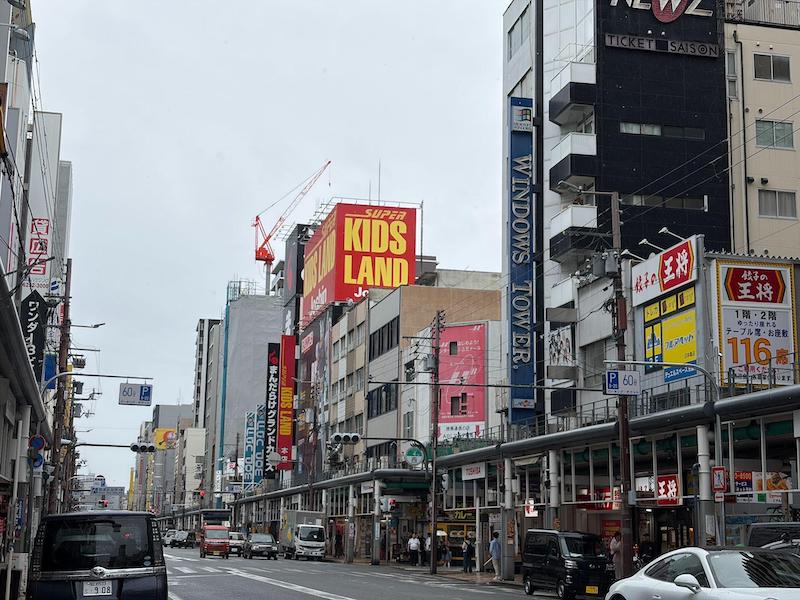
For anime fans visiting Japan, Osaka is a place where online fandom becomes reality. You can spend the morning searching for figures and collectibles in Den Den Town, the afternoon exploring nostalgic neighborhoods that feel like anime settings, and the evening surrounded by the neon-lit energy that has inspired generations of Japanese pop culture.
During my recent visit, I explored many of these locations on a rainy day. While the weather was far from ideal, it added a unique atmosphere to the city. Reflections from signs and storefronts spread across wet streets, creating scenes that often felt cinematic.
This guide introduces a practical one-to-two-day route through Osaka that combines anime culture with some of the city’s most memorable attractions.
Start Your Journey at Den Den Town
No anime-themed trip to Osaka is complete without a visit to Den Den Town, the city’s answer to Akihabara.
Located in the Nipponbashi area, Den Den Town is often the first place where online fandom becomes reality for anime fans visiting Japan. Characters, merchandise, trading cards, and collectibles that may have only existed on a screen suddenly fill entire streets.
The district is packed with anime stores, gaming shops, trading card stores, figure retailers, gachapon machines, arcades, and specialty hobby stores. While it is smaller than Tokyo’s Akihabara, many visitors find it easier to explore because most attractions are concentrated within a walkable area.
Begin at Ota Road
The heart of the district is Ota Road, a lively street lined with anime-themed businesses and colorful signs. Even on a rainy weekday afternoon, the area remained busy with anime fans, collectors, and tourists. Visitors can spend hours browsing stores filled with figures, manga, trading cards, retro games, and limited-edition merchandise.
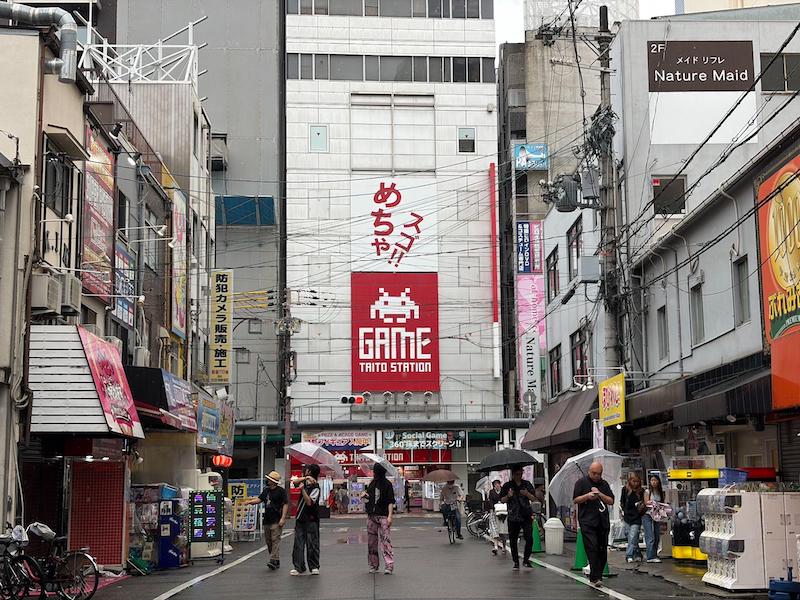
One thing that stood out during my visit was the mix of local fans and international visitors. Despite the rainy weather, Den Den Town remained busy throughout the afternoon.
Many of the Japanese visitors seemed completely at home. They moved confidently between stores, checked trading card displays, and browsed shelves with a sense of familiarity that suggested they had visited many times before. In some ways, the district almost felt like a community built around shared hobbies and interests.
At the same time, international visitors explored the area with visible excitement and curiosity. Watching them step into stores packed with figures, manga, and collectibles reminded me how special places like Den Den Town can feel to anime fans visiting Japan for the first time. More than once, I found myself silently hoping they would discover a memorable item to take home from their trip.
Den Den Town has it ALL
One of the best things about Den Den Town is the variety. Large chains such as Animate sit alongside smaller specialty stores, giving visitors the opportunity to discover rare collectibles and unexpected finds. Gachapon shops and crane game arcades are also everywhere, making it easy to experience a side of Japanese pop culture that many international visitors have only seen online.
For anime and gaming fans, Den Den Town is more than a shopping district. It serves as the perfect introduction to Osaka’s otaku culture and an ideal starting point for exploring the rest of the city.
Experience Osaka’s Iconic Streets in Namba and Dotonbori
After exploring Den Den Town, head toward Namba and Dotonbori, one of Osaka’s most recognizable districts.
For anime fans, Dotonbori is interesting not because it is tied to a specific series, but because it feels strangely familiar. The oversized signs, crowded streets, bright lights, and nonstop energy resemble the exaggerated urban landscapes often seen in anime, manga, and games inspired by Osaka.
A Distinctly ‘Osaka’ Landmark
The most famous landmark is undoubtedly the Glico Running Man sign. For decades, it has served as one of Osaka’s most iconic symbols and remains a popular photo spot for visitors from around the world.
Beyond the famous sign, Dotonbori is one of the best places to experience Osaka’s atmosphere. The canal, colorful advertisements, restaurants, and constant flow of visitors create a level of energy that feels uniquely Osaka.
Even on a rainy evening, the district remained crowded. Reflections from neon signs spread across the wet pavement while tourists gathered along the canal to take photos. It was one of the most memorable scenes of the trip.
Osaka’s Atmosphere was Made For Anime Fans
Standing on Ebisu Bridge, it quickly became clear why the Glico Running Man remains Osaka’s most photographed landmark.
Visitors crowded the bridge despite the rain, carefully positioning themselves to capture the perfect photo with the famous sign. Some waited patiently for space while others enthusiastically recreated the running pose.
As anime fans, we often travel great distances to visit locations connected to our favorite series. Yet standing there, I was reminded that for many travelers, the Glico sign represents something equally meaningful. It is perhaps the clearest symbol that says, “I made it to Osaka”.
Yet places like Dotonbori remind us that anime travel is not always about finding a specific filming location or pilgrimage spot. Sometimes the city itself becomes part of the experience. Even without a direct connection to a particular series, the atmosphere feels familiar because Osaka has inspired so many fictional worlds.
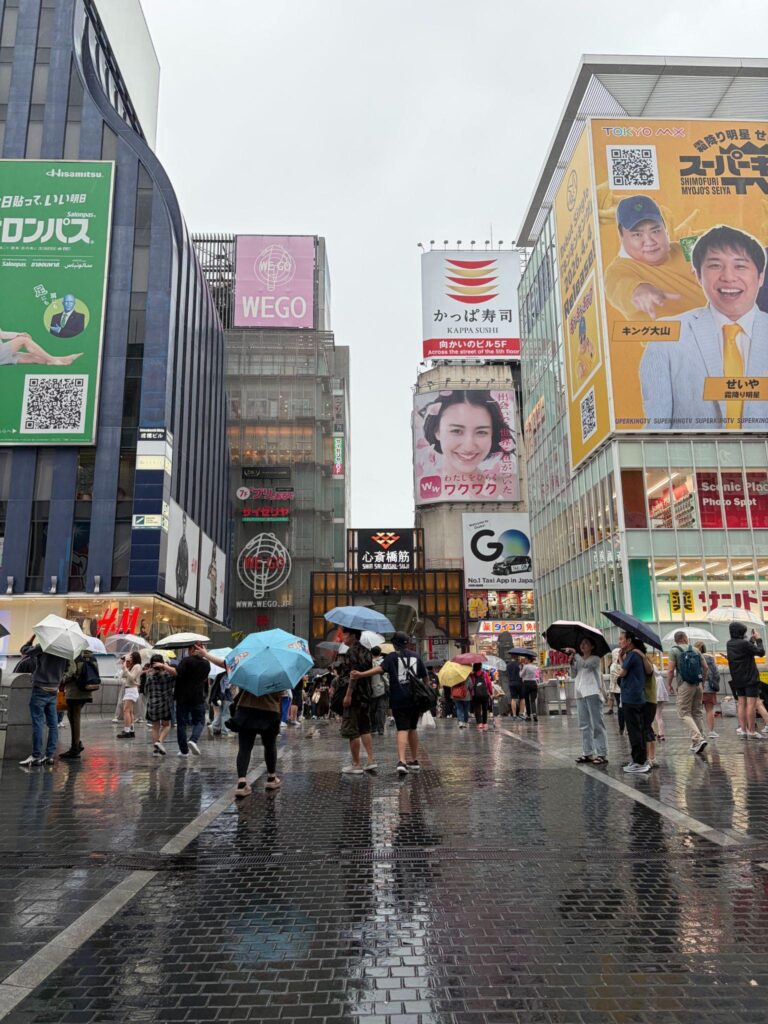
Walking along the canal and across Ebisu Bridge, it was easy to understand why Osaka remains such a recognizable setting in Japanese pop culture. The district captures the energy, color, and atmosphere that many visitors imagine when they think of Osaka.
Discover Shinsekai and Tsutenkaku
For a completely different side of Osaka, make your way to Shinsekai and Tsutenkaku.
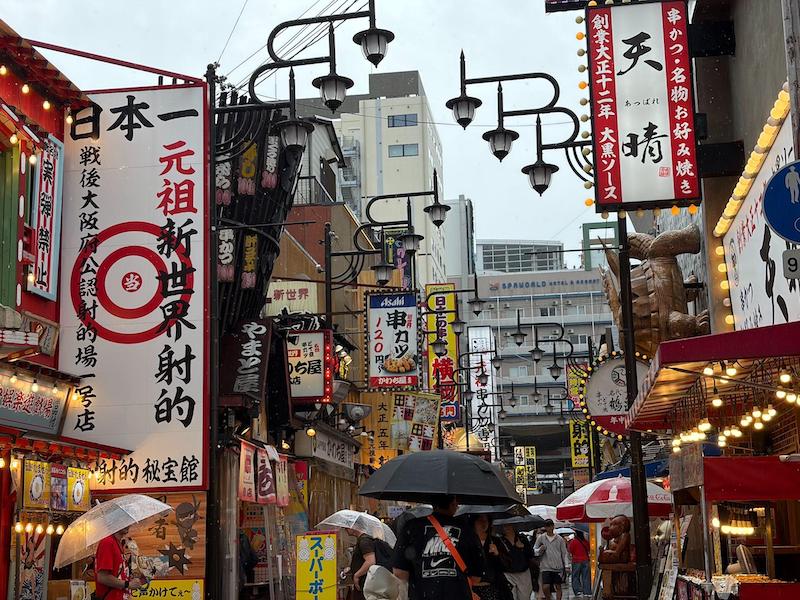
If Dotonbori represents modern Osaka, Shinsekai feels like a glimpse into another era. For anime fans, the district resembles the kinds of neighborhoods often seen in slice-of-life series, retro-inspired stories, and comedy anime set in Kansai. Think ‘Lovely Complex’ vibes.
The narrow streets, colorful storefronts, local restaurants, and decades-old signs create an atmosphere that feels both nostalgic and distinctly local. It is easy to understand why areas like this continue to influence manga, anime, and games inspired by Osaka.
During my visit, the district remained lively despite the rain. Visitors gathered beneath covered shopping arcades while locals continued their daily routines. That contrast between tourism and everyday life gave the area a unique charm.
Despite the rain and the weekday timing, Shinsekai was filled with international visitors.
One scene in particular stayed with me. Several tourists were walking through the neighborhood carrying large anime character plush toys they had won at nearby arcades. Some were taking photos beneath Tsutenkaku while others continued exploring the area with oversized prizes in their arms.
It was a small moment, but it perfectly captured the appeal of Osaka for anime fans. These visitors were not simply sightseeing. They were actively participating in a type of experience that feels uniquely Japanese, combining anime culture, gaming, and travel into a single day.
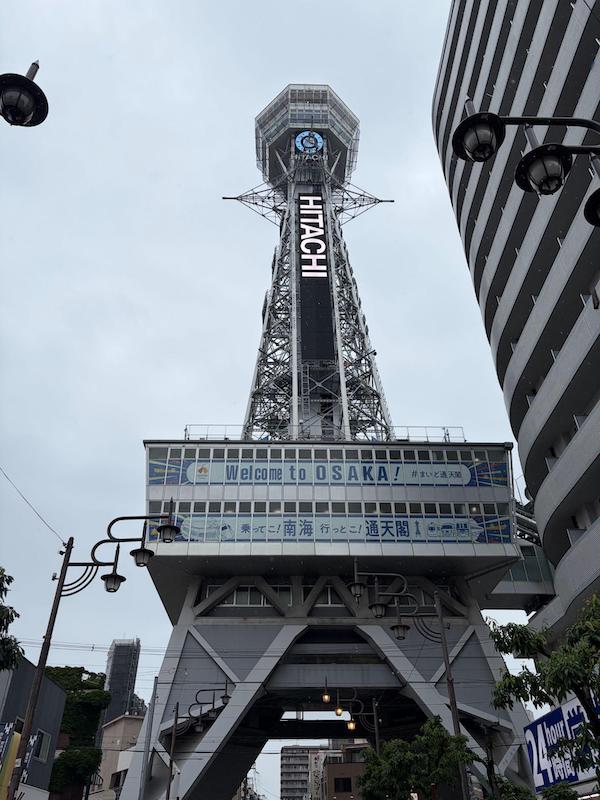
Of course, no visit is complete without seeing Tsutenkaku. Rising above the neighborhood, the tower remains one of Osaka’s most recognizable landmarks and a perfect symbol of the city’s retro character.
Visit Osaka Castle and Historic Osaka
While Osaka is often associated with anime stores, gaming arcades, and entertainment districts, the city also offers a fascinating historical side. One of the best places to experience this is Osaka Castle.
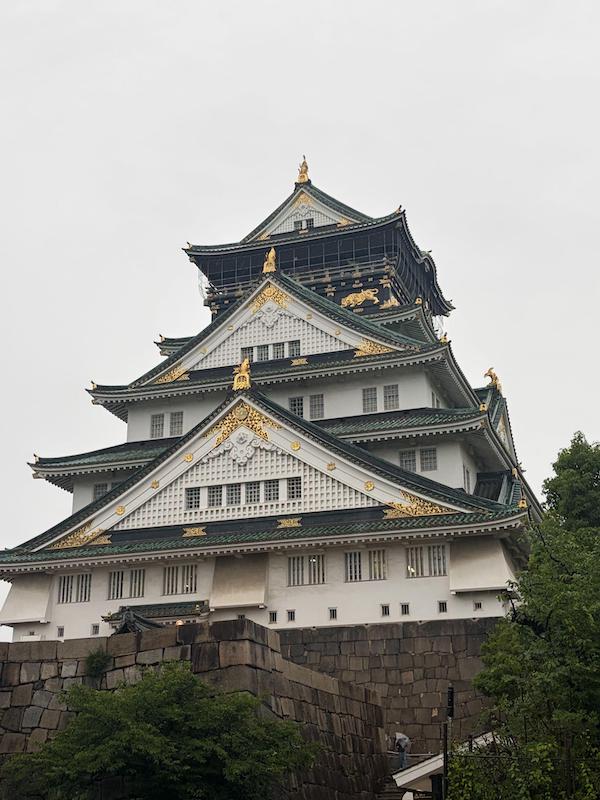
After spending the day exploring Den Den Town, Dotonbori, and Shinsekai, arriving at Osaka Castle felt like stepping into a completely different version of the city. The busy streets and neon lights were replaced by stone walls, moats, and wide open spaces.
For anime fans, Osaka Castle serves as a reminder that Osaka’s influence on Japanese pop culture extends far beyond modern entertainment districts. Historical anime, samurai stories, strategy games, and countless works inspired by Japan’s Sengoku period all draw from the history that places like Osaka Castle represent.
During my visit, the rainy weather gave the castle grounds a calm atmosphere. The castle tower stood prominently above the surrounding trees and stone walls, creating a striking contrast to the vibrant energy of Dotonbori and Den Den Town.
Although I arrived only about thirty minutes before the castle closed, the grounds were still filled with visitors from around the world. What surprised me was that many people were not rushing directly to the main castle tower. Instead, they seemed to be taking their time, appreciating the gates, bridges, stone walls, and pathways that lead through the grounds.
At the same time, local residents continued to use the area as part of their daily routines. I saw several people jogging through the park in training wear, treating the historic surroundings as a running course rather than a tourist attraction. Watching international visitors explore Osaka’s history while local residents enjoyed their evening exercise highlighted another side of the city that many travelers rarely experience.
Whether you’re interested in history, photography, or simply taking a break from the city’s busier attractions, Osaka Castle is well worth adding to your itinerary.
Practical Travel Tips
Getting Around
Osaka’s public transportation system is easy to use and connects all of the locations mentioned in this guide. The Osaka Metro is the most convenient option, with Namba, Nipponbashi, Dobutsuen-mae, and Tanimachi Yonchome stations providing easy access to the city’s major attractions.
An ICOCA transportation card is highly recommended. It can be used on trains, subways, and buses throughout the Kansai region, making travel much more convenient.
Suggested Route
For first-time visitors, the following route works particularly well:
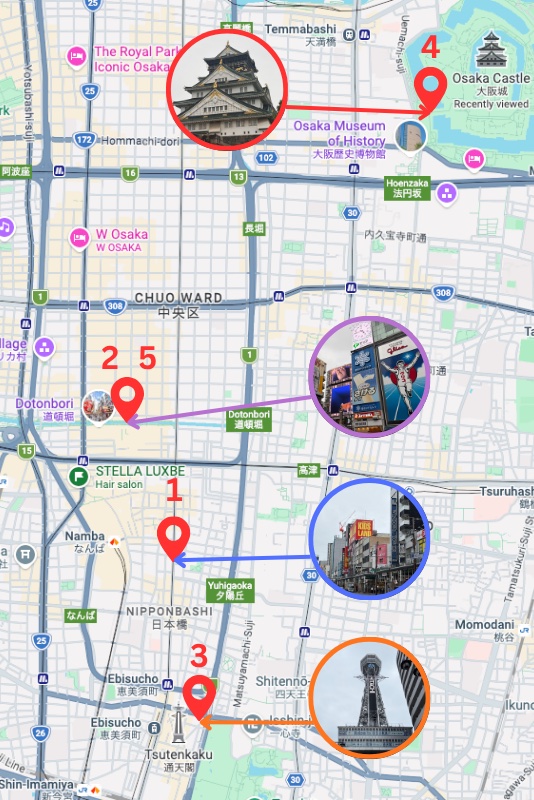
- Morning: Den Den Town and Ota Road
2. Lunch: Namba or Dotonbori
3. Afternoon: Shinsekai and Tsutenkaku
4. Late Afternoon: Osaka Castle
5. Evening: Return to Dotonbori for dinner and night photography
This route allows visitors to experience anime culture, local neighborhoods, historical landmarks, and Osaka’s famous nightlife all within a single day.
Where to Stay
Namba is the best overall base for anime fans visiting Osaka. It provides easy access to Den Den Town, Dotonbori, and multiple train lines.
Nipponbashi is another excellent choice for travelers who plan to spend a lot of time exploring anime and gaming stores.
For visitors prioritizing transportation convenience, Umeda offers direct connections to many parts of the city and the wider Kansai region.
During my own visit, staying near the Namba area made it easy to reach every location in this guide on foot or by a short train ride. For first-time visitors, it remains one of the most practical places to stay in Osaka.
Final Thoughts
An anime pilgrimage in Osaka feels different from many other anime trips in Japan.
Unlike destinations built around a single series, Osaka’s appeal comes from the culture surrounding anime itself. The city blends hobby shops, gaming culture, retro neighborhoods, food streets, and everyday urban life into a single experience.
Walking from Den Den Town to Dotonbori, then on to Shinsekai and Osaka Castle, you begin to understand why Osaka remains such an important part of Japanese pop culture. The city is energetic, a little chaotic, and constantly changing, yet it still holds onto its local character.
For anime fans, the real reward is not simply buying merchandise or taking photos of famous landmarks. It is experiencing the atmosphere that has shaped generations of manga, anime, games, and fan culture.
From the hobby shops of Den Den Town to the neon lights of Dotonbori, the retro streets of Shinsekai, and the historic grounds of Osaka Castle, each location reveals a different side of the city.
Osaka may not always be described as an anime pilgrimage destination, but after spending a day exploring its streets, it becomes clear why the city remains such an important part of Japanese pop culture. The stories may be fictional, but the culture, energy, and atmosphere that inspire them are very real.
The best Osaka pilgrimage is not about finding a single famous location. It is about experiencing the city itself.
From anime stores and arcades to retro neighborhoods and historic landmarks, Osaka becomes more than a backdrop to the journey.
It becomes part of the pilgrimage.


Nao is an Osaka based writer with a love for travel and anime. She loves exploring the Kansai region and hopes to inspire readers to visit Japan for their own pilgrimage experiences.
