
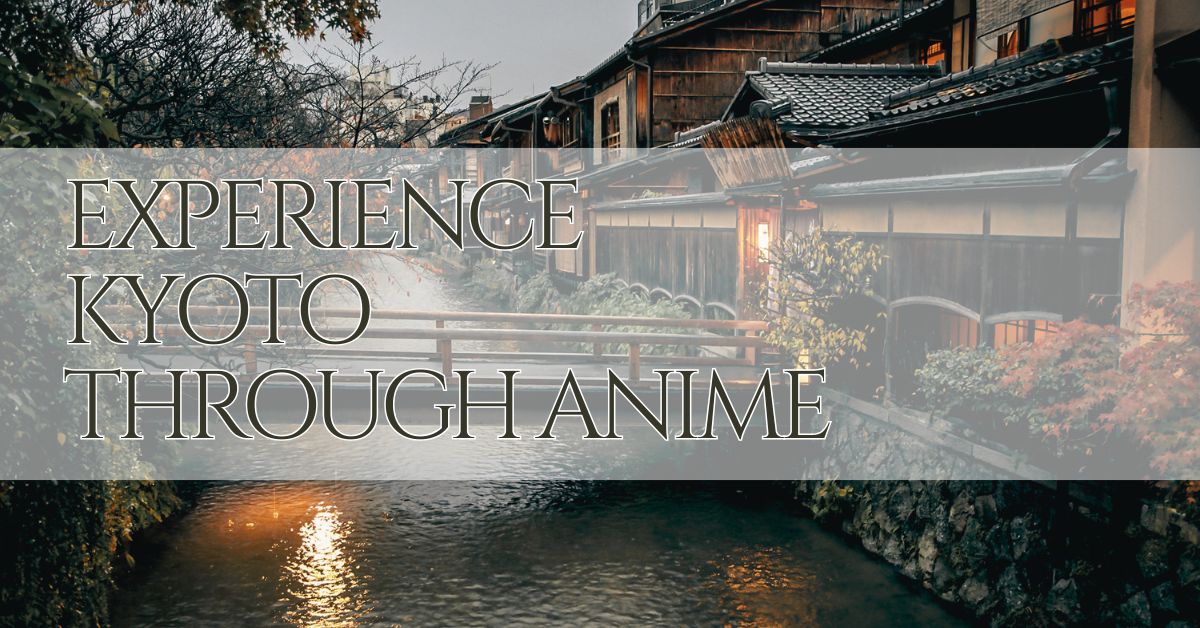
A Detective Conan pilgrimage in Kyoto does not have to be only about moving from one location to the next.
Of course, visiting real-life places connected to the series is the main purpose of the trip. But Kyoto is also a city where the experience between locations matters just as much as the destinations themselves. The walk up to a temple, the pause beside the river, the small shops along the way, and the atmosphere of a narrow street at night can all become part of the memory.
This regional experience guide is designed as a companion to the main Detective Conan Kyoto pilgrimage route. Instead of focusing only on where to go, it focuses on how to enjoy the day around the route: where to slow down, what kind of atmosphere to look for, and how to experience Kyoto as more than a checklist of anime-related stops.
This article is less about exact scene matching and more about the regional atmosphere that makes Kyoto feel so natural in the world of Detective Conan.
Read our pilgrimage guide here: Following Detective Conan Through Kyoto
Detective Conan Walking Itinerary: Start the Journey From Kyoto Station
If you are staying in Osaka, Kyoto is one of the easiest and most rewarding side trips in Kansai. You can reach Kyoto without needing to change your whole travel plan, and still feel like you have entered a completely different world.
As someone based in Osaka, I notice this contrast immediately. Osaka feels lively and fast-moving, while Kyoto feels slower and more deliberate, even in the way people walk and the way streets are designed.
One small detail international visitors may notice is that some familiar chain stores in Kyoto use more subdued colors, such as brown or black, so they blend better with the historical streetscape.
Kyoto Station in Detective Conan
For Detective Conan fans, Kyoto Station is also a meaningful starting point because of Crossroad in the Ancient Capital. When Ran, Conan, and the others arrive in Kyoto, Sonoko comments that Kyoto feels like the hometown of Japanese people. That line captures the feeling of arriving in a city connected to memory, tradition, and history. Starting the route from Kyoto Station lets fans experience a similar sense of beginning before moving deeper into the pilgrimage.
Kyoto Station is a practical starting point, but it can also be a good moment to reset your pace. Before heading toward the pilgrimage route, take a moment to check your map, plan your first transfer, and decide how much walking you want to do. Kyoto rewards travelers who leave some space in their schedule.
If you try to rush through everything, the day can become tiring quickly. But if you treat the route as a mix of anime pilgrimage and local Kyoto experience, the journey becomes much richer.
Enjoy the Approach to Kiyomizu-dera
Kiyomizu-dera is one of Kyoto’s most famous sightseeing spots, but the experience does not begin only when you reach the temple. The approach itself is part of the attraction.
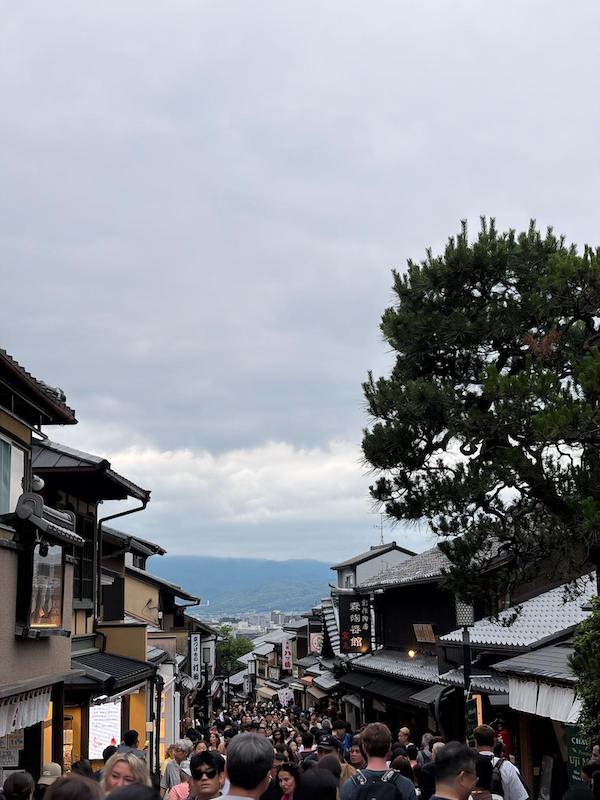
The streets leading toward Kiyomizu-dera are full of details that feel very Kyoto: slopes, stone paths, traditional-style buildings, small shops, souvenir displays, and people walking slowly toward the temple. For a Detective Conan fan, this area can also create the feeling of a school trip, which fits naturally with Kyoto-related stories in the series.
Rather than treating the approach as only a way to reach the temple, it is worth slowing down here. Look at the shopfronts, signs, tiled roofs, narrow lanes, and small seasonal details. These are the kinds of things that make Kyoto feel different from other cities.
This area is also useful for photography. You do not need to photograph only the most famous temple view. A quiet side street, a slope with traditional buildings, a detail on a shop curtain, or a view of people walking with umbrellas can all help capture the atmosphere of the route.
Travel Tip: 💡
If you want to enjoy this area more comfortably, morning is usually best. It can become crowded very quickly, especially during peak travel seasons. Summer can also be difficult because the uphill walk, humidity, and crowds make the area more tiring than it looks. If you have a choice, spring, autumn, or early winter are more comfortable seasons for walking and photography.
Take a Real Break at the Kamo River
The Kamo River is one of the best places in Kyoto to slow down.
I especially recommend visiting the river in the afternoon or early evening, after you have already walked through busier sightseeing areas. At that point in the day, sitting along the riverbank with a takeaway tea or coffee can feel surprisingly refreshing.
Kyoto becomes more enjoyable when you stop trying to complete it too quickly…
If I were recommending this route to a friend, I would tell them to buy a tea or coffee before reaching the river and take at least 15 minutes to sit down. It is a very simple break, but it can completely change the mood of the day after walking through busy temple streets.
You do not need to do anything special. In fact, I would recommend not putting on music or rushing to check your phone right away. Just sit by the water for a while and listen to the sound of the river and the birds around you.
Even though the busy city is very close, the moment you sit beside the Kamo River, Kyoto suddenly feels much more natural and calm. Watching people walk or cycle by, listening to the water, and letting the pace of the day slow down can be one of the most refreshing parts of the trip.
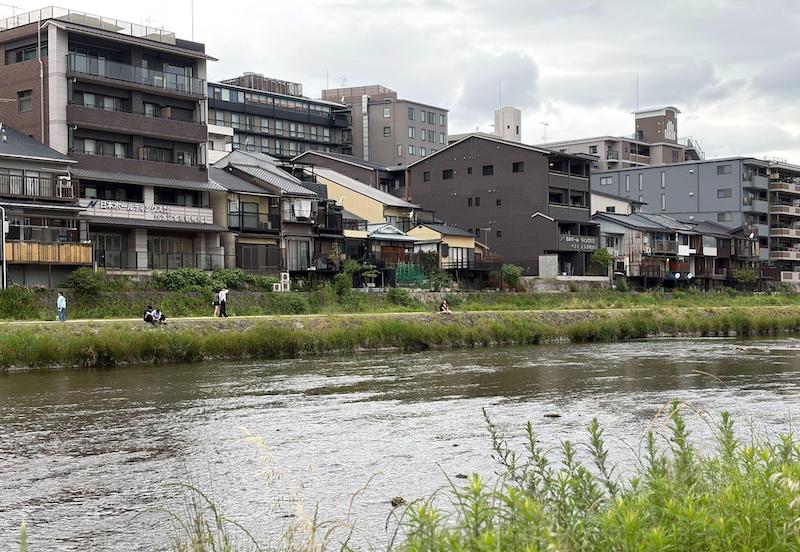
This kind of break also makes the pilgrimage feel more grounded. Detective Conan’s Kyoto stories are not only about famous landmarks; they also work because the city around them feels real. The Kamo River gives you that everyday Kyoto feeling: students, locals, couples, travelers, and quiet moments between destinations.
Experience Pontocho in the Evening
Pontocho is one of the best places to end a Kyoto day.
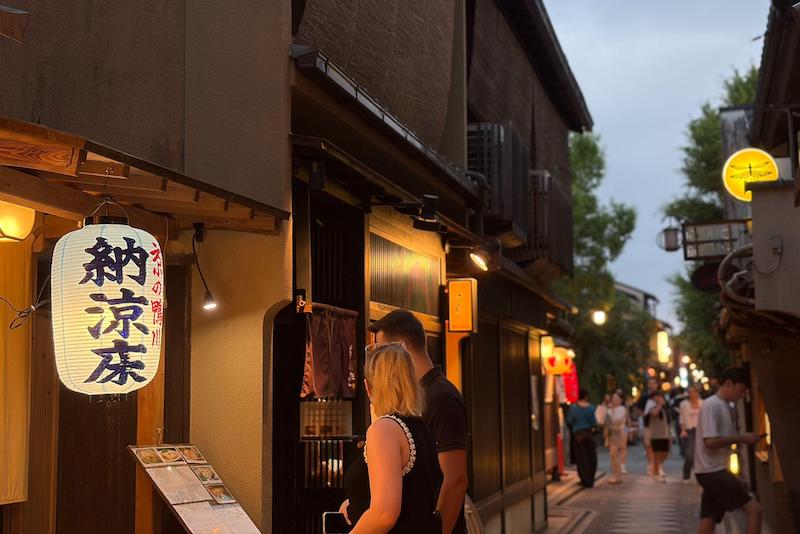
During the day, it can be interesting, but in the evening it becomes much more memorable. The narrow street, lanterns, wooden facades, restaurant entrances, and glimpses toward the Kamo River create a more mature and atmospheric side of Kyoto.
You do not need to have a restaurant reservation to enjoy Pontocho. Simply walking through the street can be enough. The space is narrow, so the details feel close: signs, lights, doorways, textures, and the movement of people passing through. It is one of those places where Kyoto can feel cinematic even without anything specific happening.
Lose Yourself in the Atmosphere of the Ancient Capital
For a Detective Conan route, this is especially effective. Pontocho feels like a place where a story could begin. It has the mood of a setting, not just a sightseeing spot. The street is compact, slightly hidden, and visually rich, which makes it suitable for both travel writing and anime pilgrimage photography.
Rain can make Pontocho even more atmospheric. Wet pavement reflects lanterns and signs, and umbrellas can add movement without needing to show people’s faces clearly. If you are taking photos, focus on the atmosphere rather than trying to capture the whole street at once. Lanterns, reflections, narrow angles, and small details often work better than wide, crowded shots.
Travel Tip: 💡
It’s important to note, photography etiquette is important. Pontocho is a real working street with restaurants, staff, residents, and other visitors. Avoid blocking the path, do not photograph people directly without permission, and be mindful around entrances.
Kyoto Is Best Experienced Between the Stops
One of the best ways to enjoy Kyoto is to notice the details between the main stops.
A Detective Conan pilgrimage can easily become focused on matching locations with specific scenes. That is part of the fun, but Kyoto becomes more memorable when you also pay attention to smaller moments: a shop curtain moving in the wind, wet stone pavement, an old sign, a narrow side street, or a quiet view of the river.
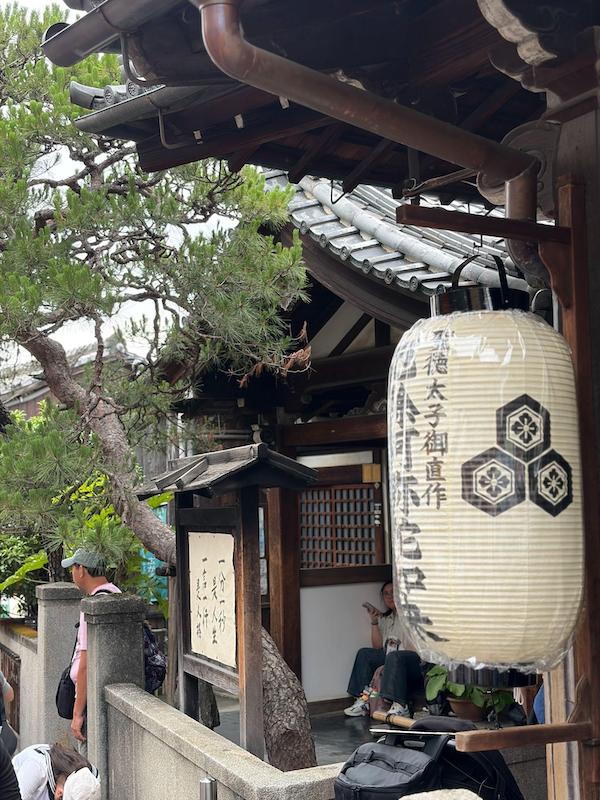
A good example is Benkei-ishi, the Benkei Stone, which appears in Crossroad in the Ancient Capital. It is not presented like a major tourist landmark. Instead, it sits quietly in the city, almost as if you could miss it if you were walking too quickly. That is exactly why it feels interesting as a pilgrimage detail.
Keep an Eye Out for the Smaller Details in Kyoto…
Kyoto is full of places like this: small historical traces, quiet corners, and story-related details that may not stand out at first glance. If you slow down and look carefully, the city starts to feel much more layered.
These details may not be major pilgrimage spots, but they help create the feeling of Kyoto. For photos, try to capture both the famous locations and these small connecting moments. Sometimes a simple detail can show the mood of the day better than a wide landmark shot.
Let the Route Feel Less Like a Checklist
What I noticed while walking this route is that Kyoto becomes more enjoyable when you stop trying to complete it too quickly. The famous locations are important, but the quieter moments between them are what make the day feel personal.
For example, sitting by the Kamo River without listening to music made the city feel completely different. The sound of the water, birds, bicycles, and people passing by created a calm atmosphere, even though busy streets were very close.
In Pontocho, the most memorable part was not finding one perfect photo spot, but noticing how the lanterns, narrow street, restaurant entrances, and evening light gradually changed the mood.
That is also why this route works well as a Detective Conan pilgrimage. The appeal is not only in finding recognizable places. It is in walking through a city where old stories, quiet details, and ordinary streets can suddenly feel connected to the world of the series.
Final Thoughts
A Detective Conan Kyoto pilgrimage becomes more meaningful when you experience the city around the route, not only the locations themselves.
The best Kyoto pilgrimage is not only about proving that you found the right spot. It is about slowing down enough to feel why the city belongs in the world of the story.
When you let the city guide your pace, Kyoto becomes more than a setting; it becomes part of the pilgrimage itself.

Nao is an Osaka based writer with a love for travel and anime. She loves exploring the Kansai region and hopes to inspire readers to visit Japan for their own pilgrimage experiences.
